RetroGlitch – Standardizing Design for Consistency and Scale
A design system built to bring consistency, efficiency, and accessibility across all LambdaTest products.
I led the creation of RetroGlitch, turning a fragmented design ecosystem into a cohesive, scalable system. I defined reusable components, design tokens, and accessibility standards, ensuring every product followed a unified design language.
Beyond design, I worked closely with engineering to implement Storybook (UI Library for Devs) , making RetroGlitch easy to adopt across teams. I also established guidelines and best practices, ensuring consistency in how designers and developers used the system. RetroGlitch wasn’t just a design system—it became the foundation for how we built and scaled products.
Challenge
Inconsistent UI, fragmented workflows, and no design standards.
Every product looked different—inconsistent UI, mismatched components, and no shared design system. Designers kept recreating elements, developers implemented styles differently, and accessibility was an afterthought. This led to slower design, longer development cycles, and constant UI inconsistencies.
Approach
RetroGlitch wasn’t just about design—it was about building a system that scaled effortlessly.
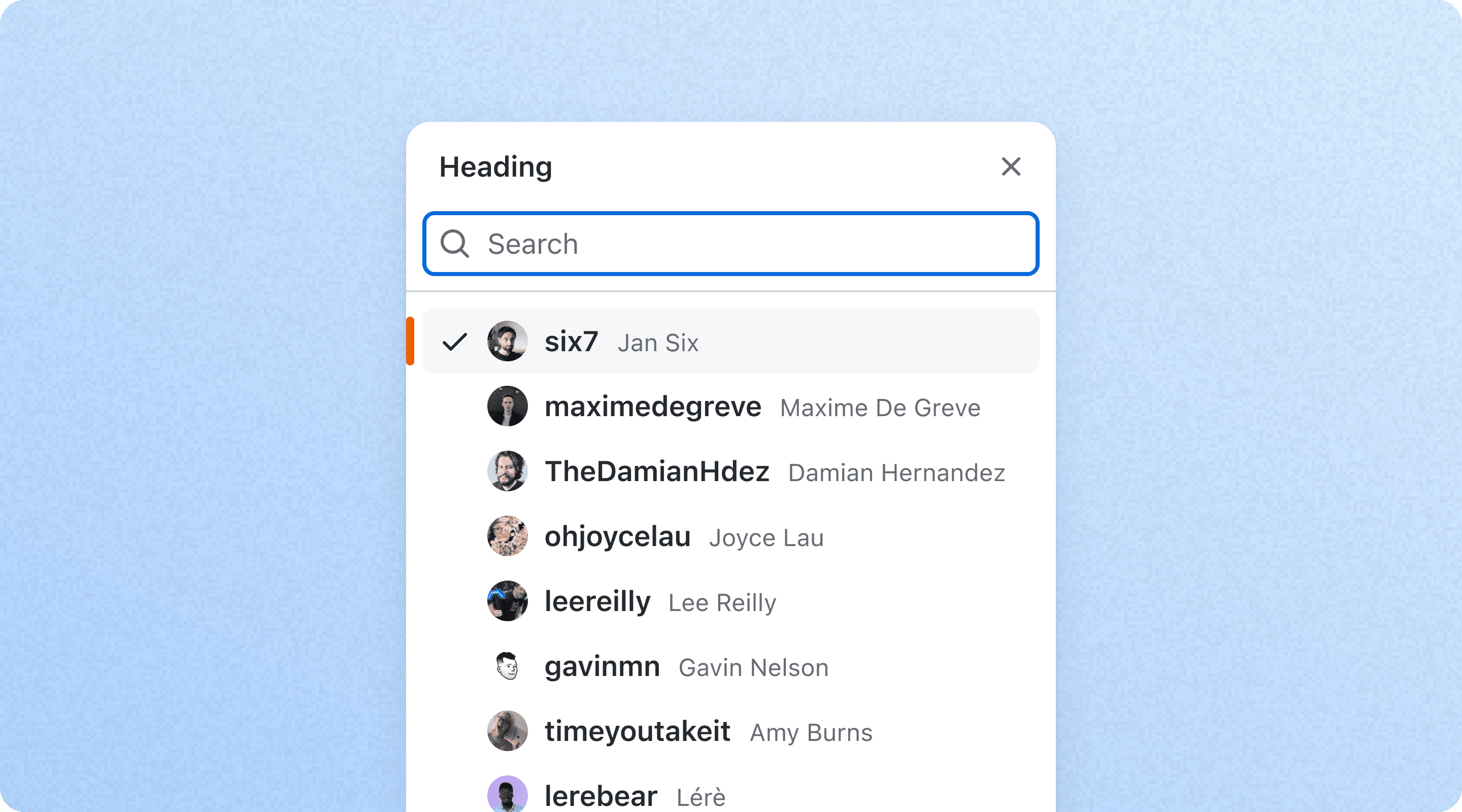
Reusable Components
Defined a shared library of buttons, forms, modals, and layouts to eliminate redundancy.
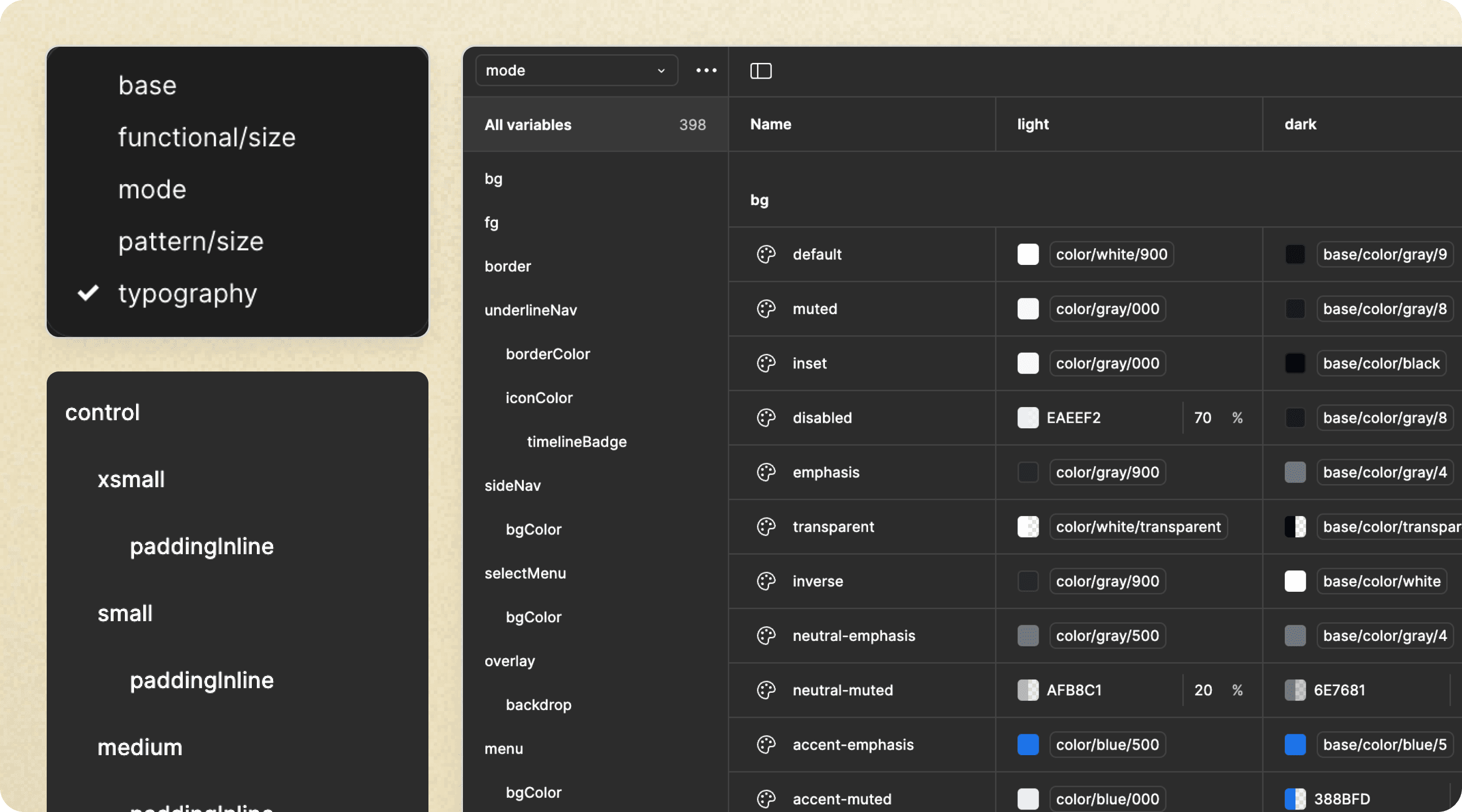
Design Tokens
Introduced a structured system for colors, typography, spacing, and shadows, making theming effortless.
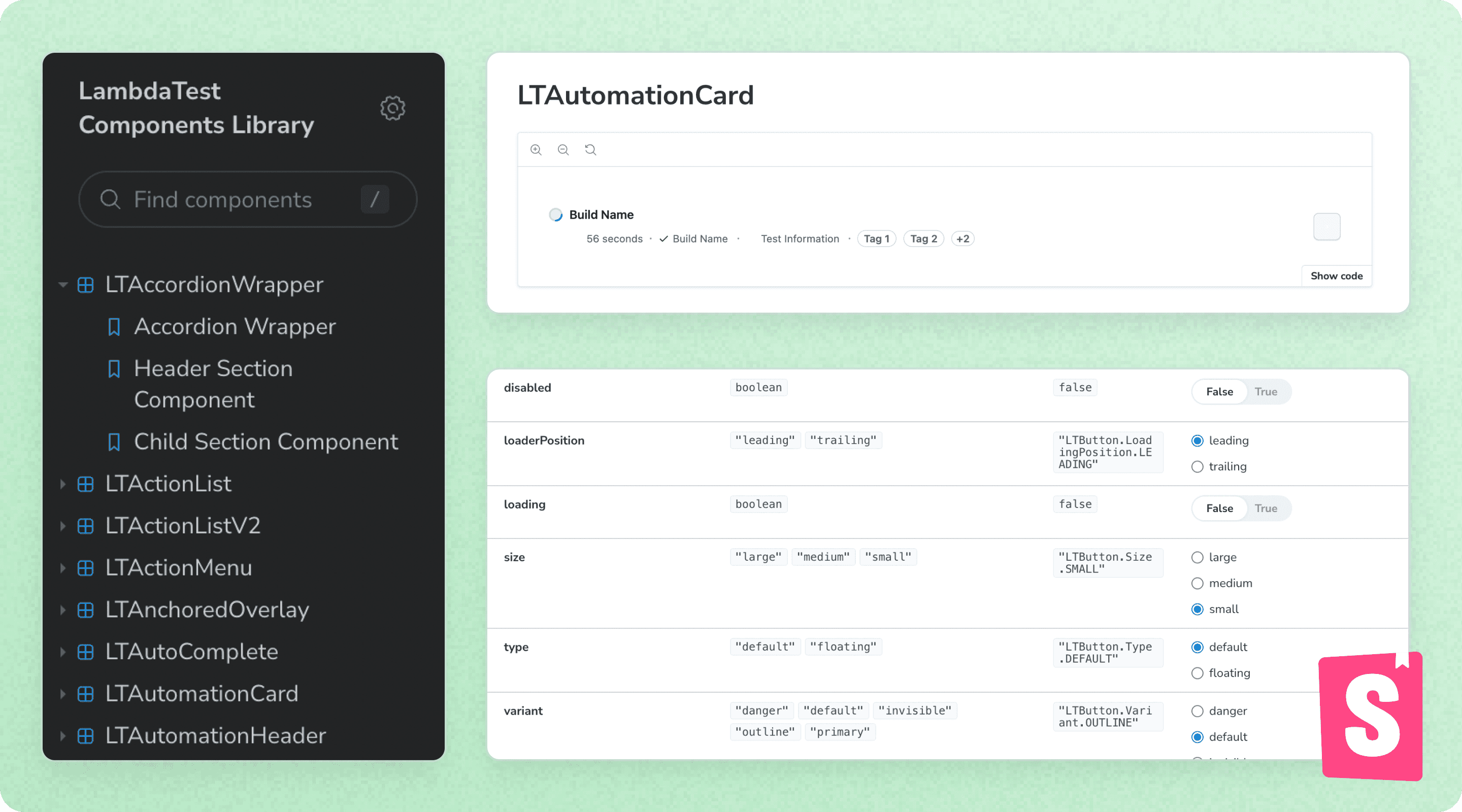
Storybook Integration
Worked with engineers to implement Storybook, making components easily accessible for developers.
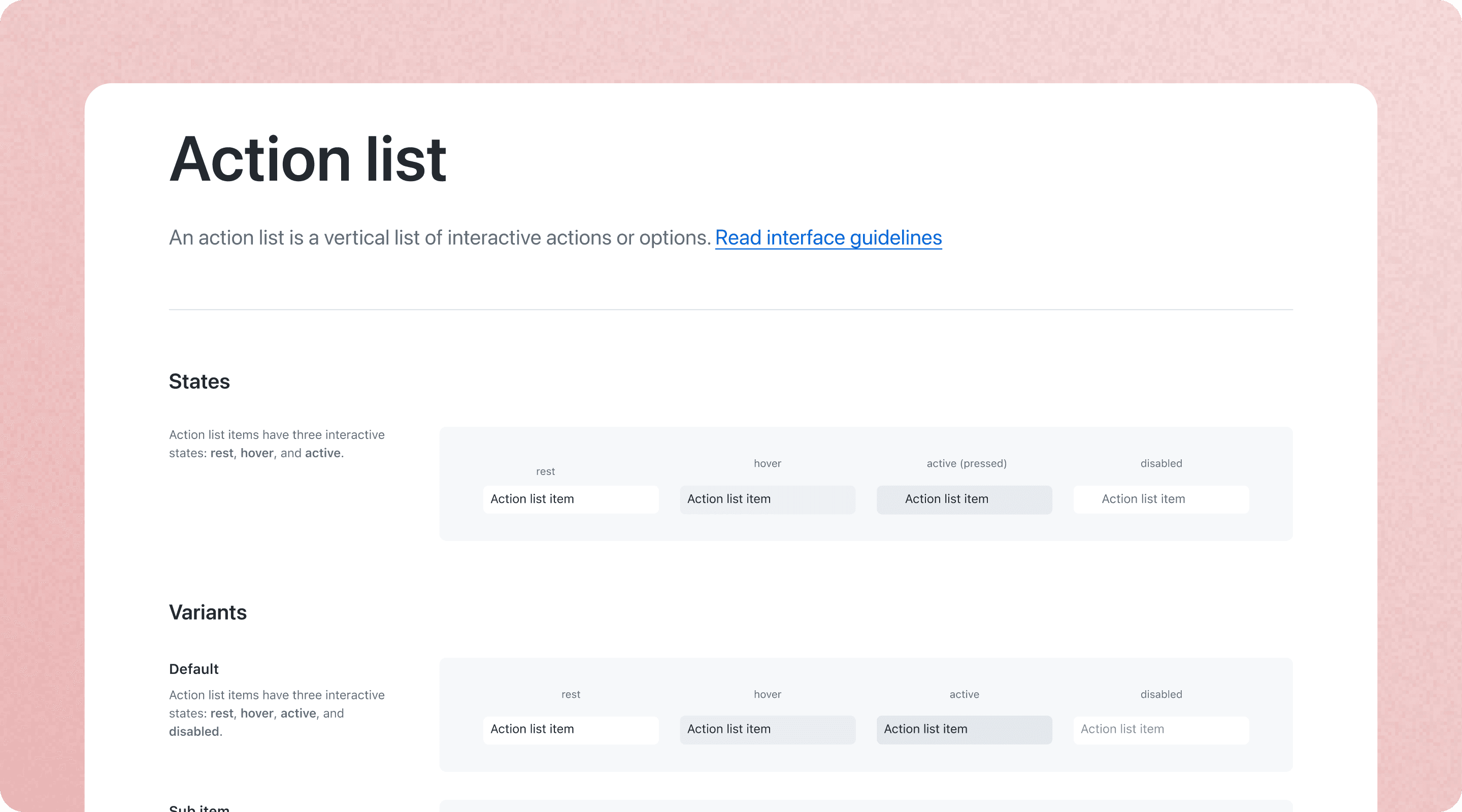
Guidelines & Best Practices
Created detailed usage guidelines, dos and don’ts, and best practices.
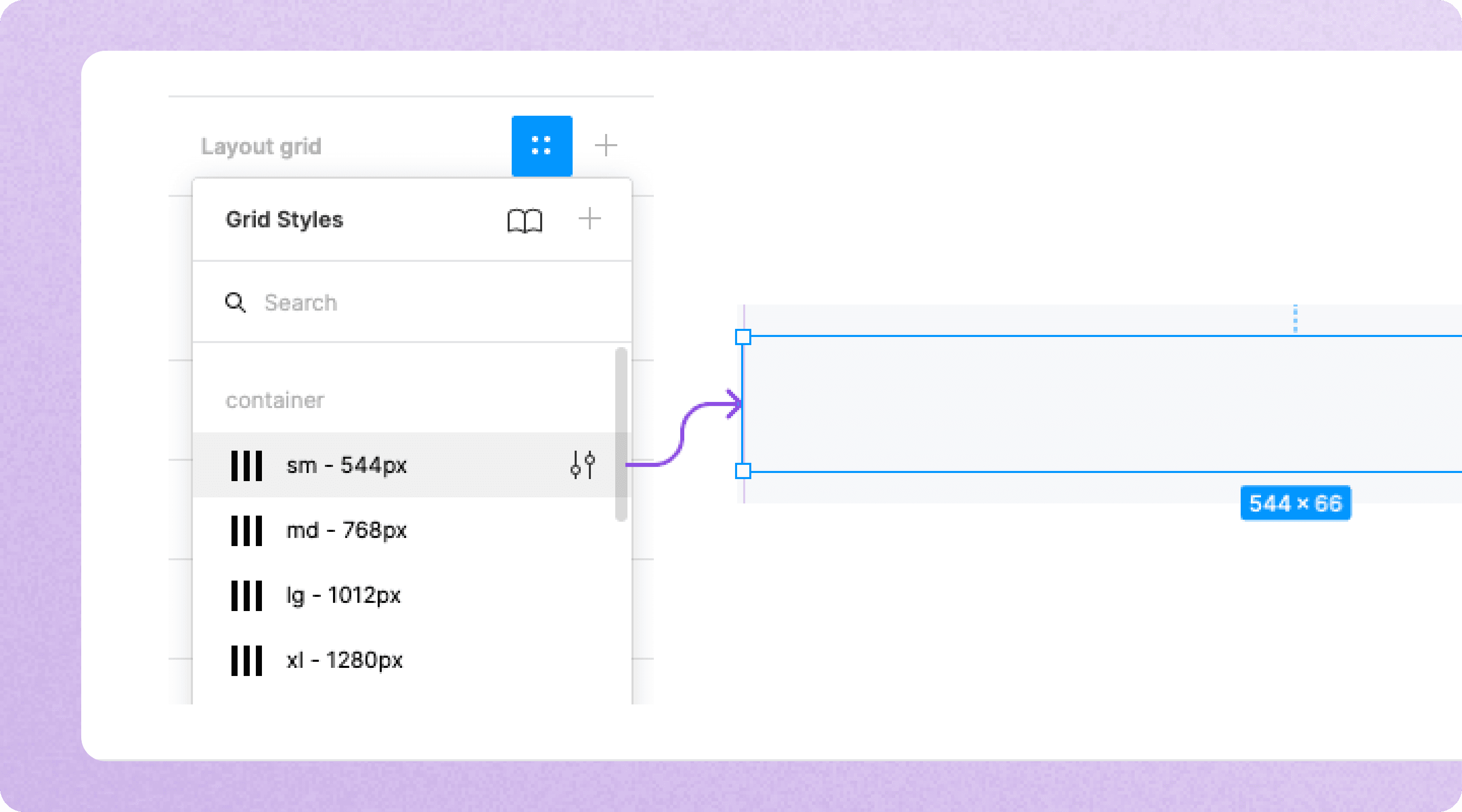
Responsiveness principles
Ensured a seamless UI across all screen sizes and resolutions, making designs adapt to any device.
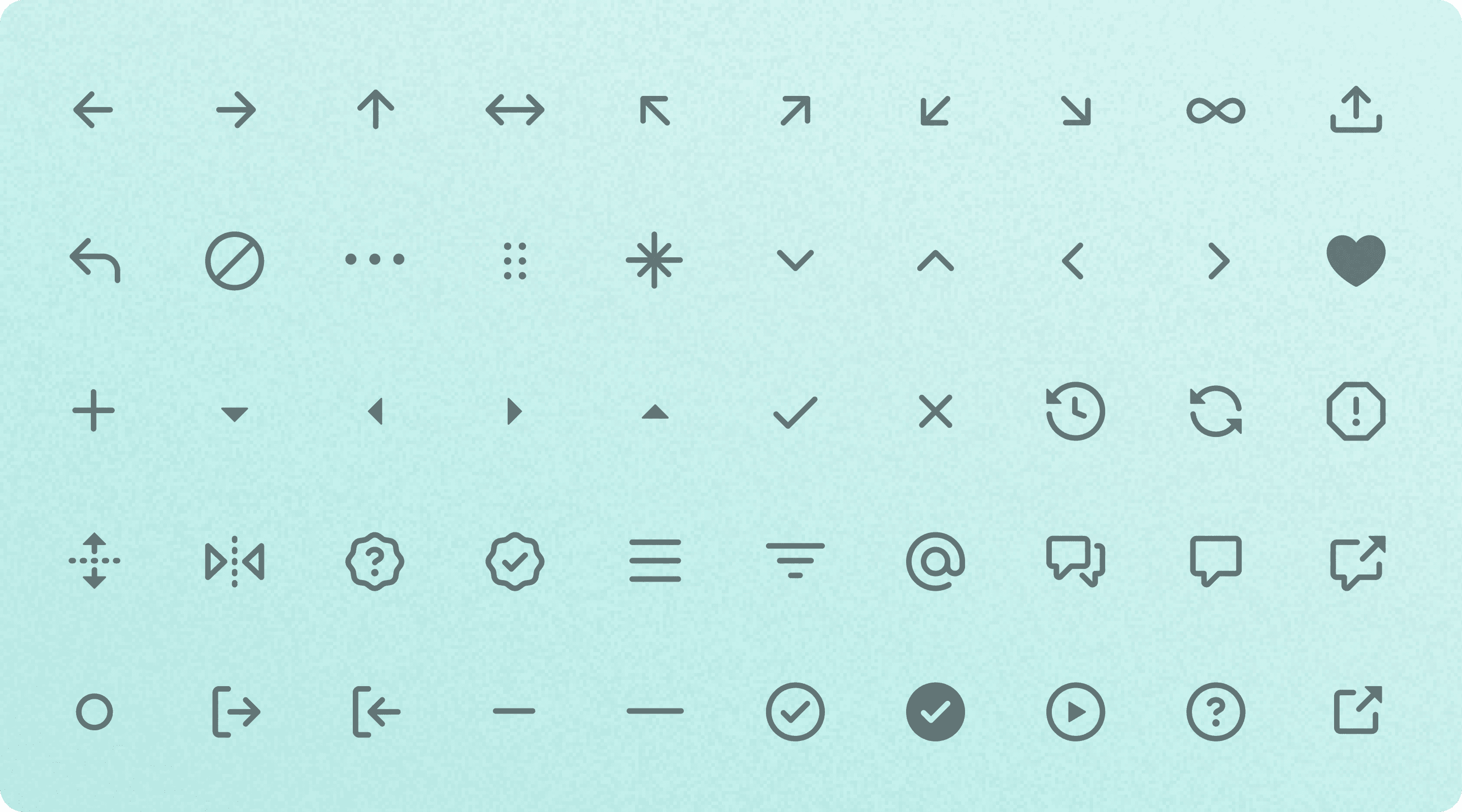
Iconography system
Defined a consistent icon library to maintain visual harmony across all products.
What once took hours now takes minutes.
RetroGlitch redefined how products were designed, built, and scaled—eliminating inconsistencies, streamlining workflows, and making accessibility a standard. With a shared component library, design tokens, and Storybook integration, teams worked faster and more efficiently. Light and dark mode were effortless, and WCAG compliance was built-in, ensuring accessibility at every stage.
Faster design and development – Standardized components and tokens reduced UI inconsistencies and sped up iteration.
Empowered cross-functional teams – PMs and other stakeholders could now create and refine designs without relying entirely on designers.
Scalable and future-proof – New features and products maintained a cohesive experience with minimal effort.